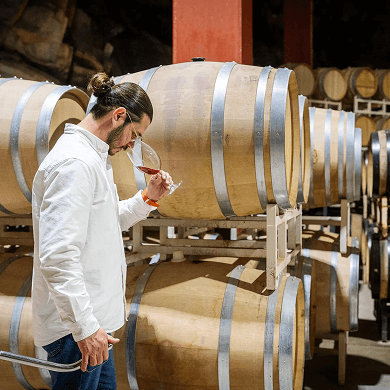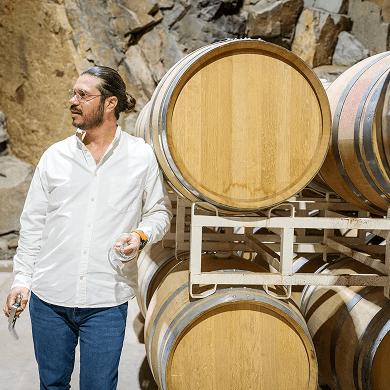

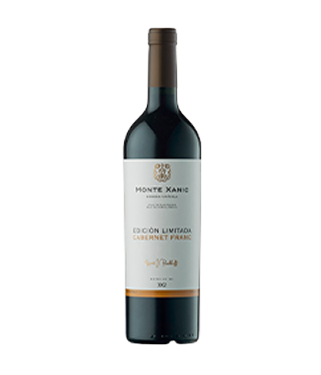
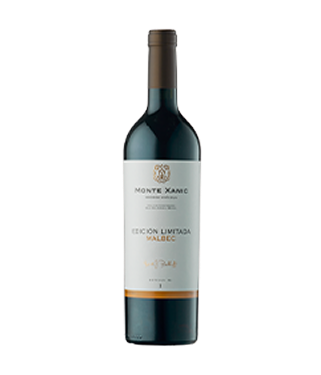

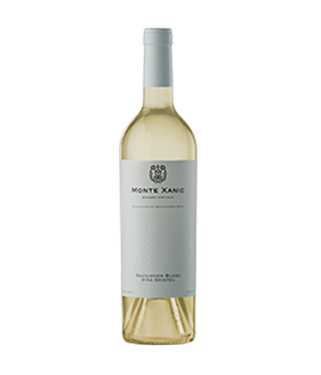
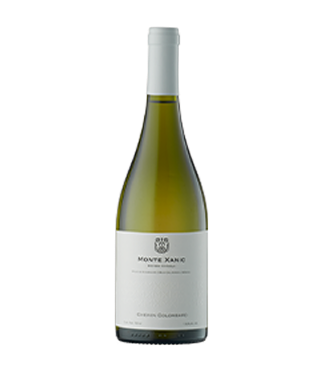
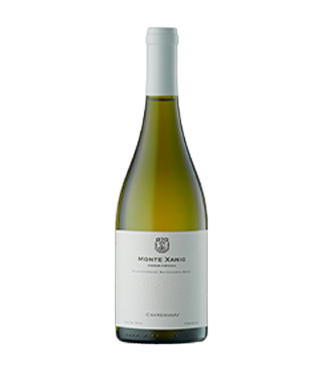
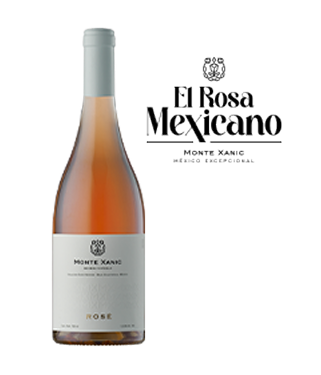
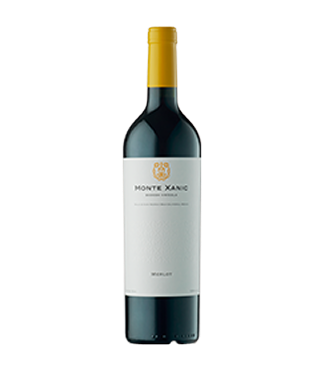
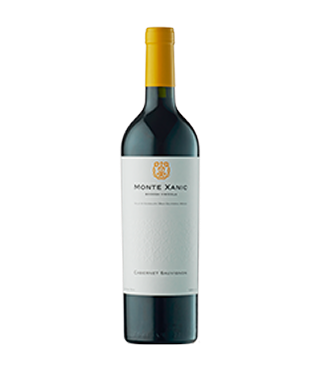

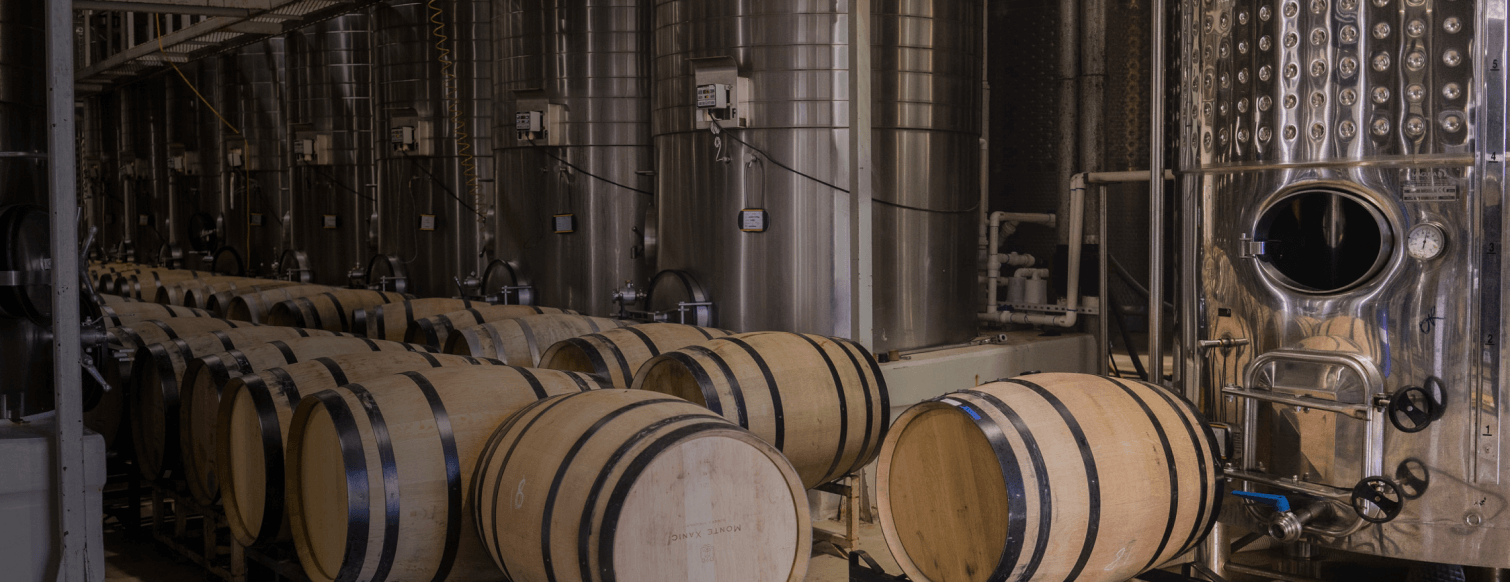
Monte Xanic has led an evolution toward low-intervention winemaking, combining creativity, sustainability and respect for varietal expression. New combinations of oak origin, toast levels and barrel types have been introduced to ensure oak supports rather than dominates the wine’s primary aromas.
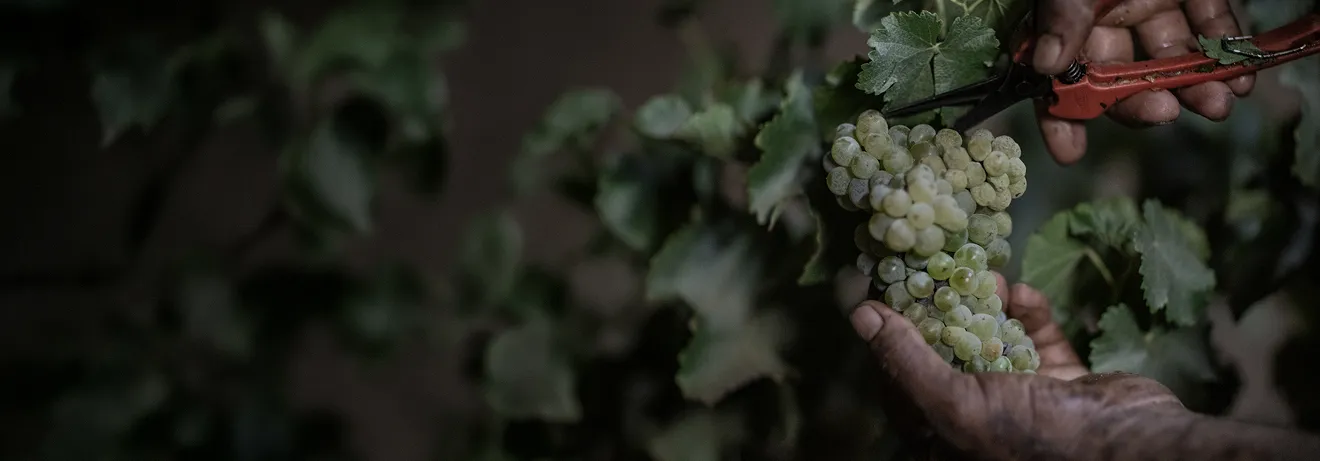
The winemaking practices that distinguish Monte Xanic today are characterized by a dedication to time. Our winemaker, Oscar Gaona, is involved in every part of the vinification process for all the grapes that enter the winery.
A defining feature of Monte Xanic’s winemaking is time and dedication. Head winemaker Óscar Gaona is personally involved in every stage of the vinification process
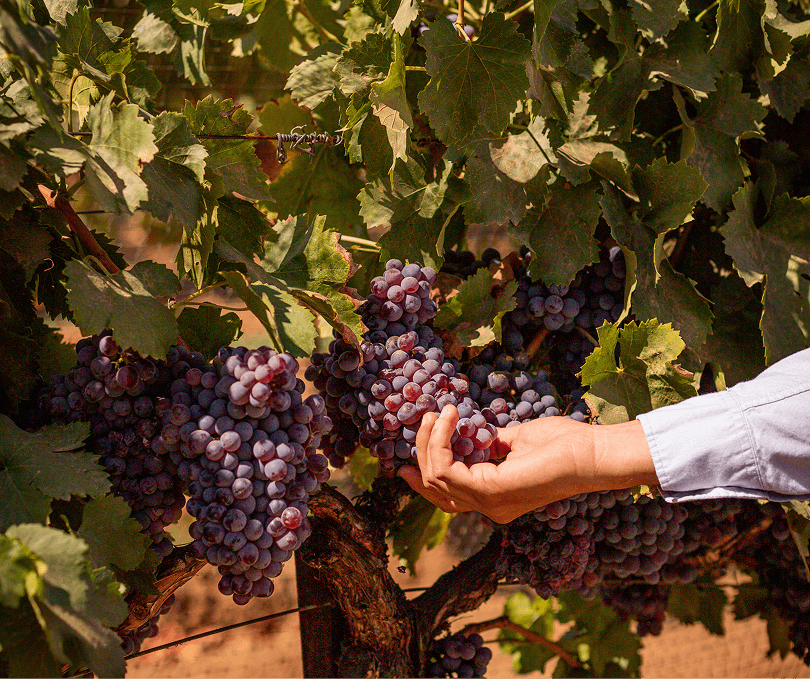
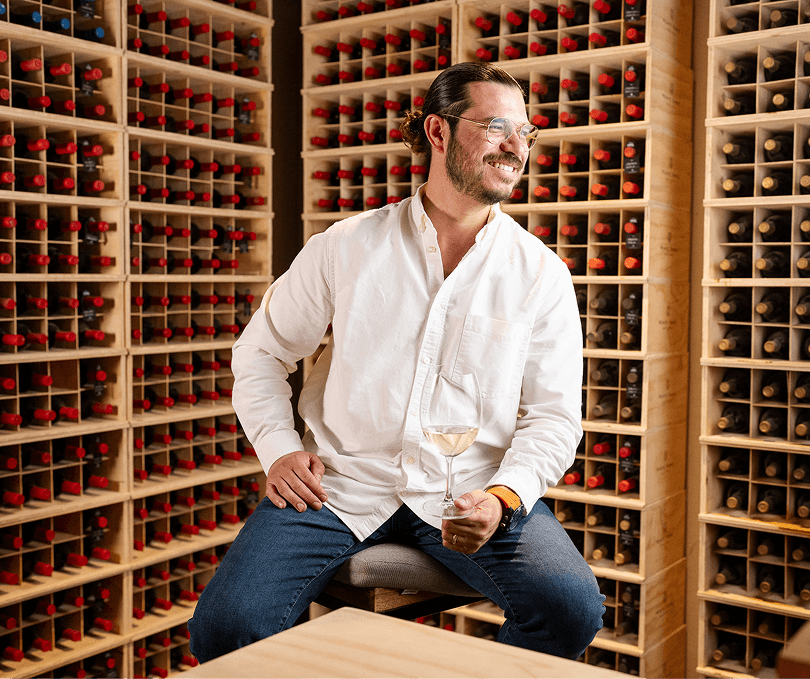
“I see no other way to make wine than to be involved from beginning to end – from choosing the harvest day, grape selection, yeast preparation, fermentation temperature control, barrel transfers, ageing and bottling.”
-Óscar Gaona, Head Winemaker
Characteristics of Valle de Guadalupe & Ojos Negros Wines
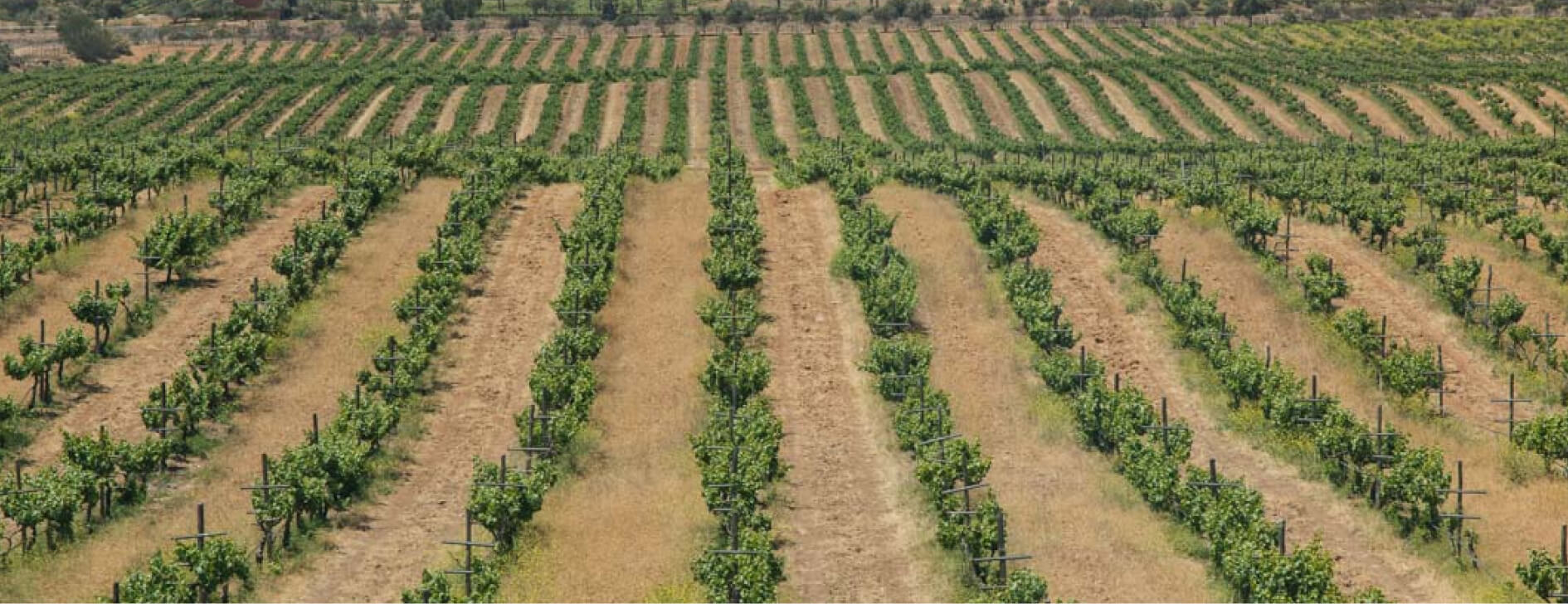
Monte Xanic benefits from diverse soil types, allowing different grape profiles depending on winemaking objectives. Valle de Guadalupe features decomposed granite and sandy soils, while the clay soils of Ojos Negros encourage a higher skin-to-juice ratio.
Mild spring and summer temperatures extend the ripening period, increasing quality and complexity.
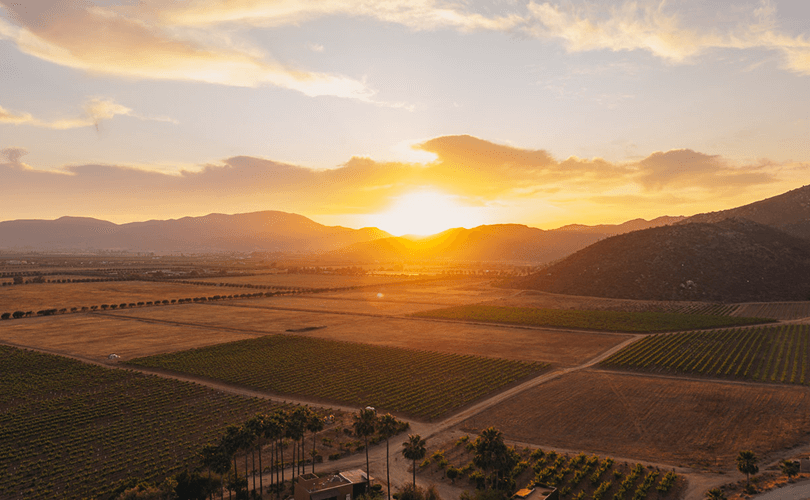
Monte Xanic maintains a style of white wines that are fresh and highly aromatic, while red wines focus on varietal personality, color intensity, ripe, rounded tannins and primary aromas, with restrained oak influence.
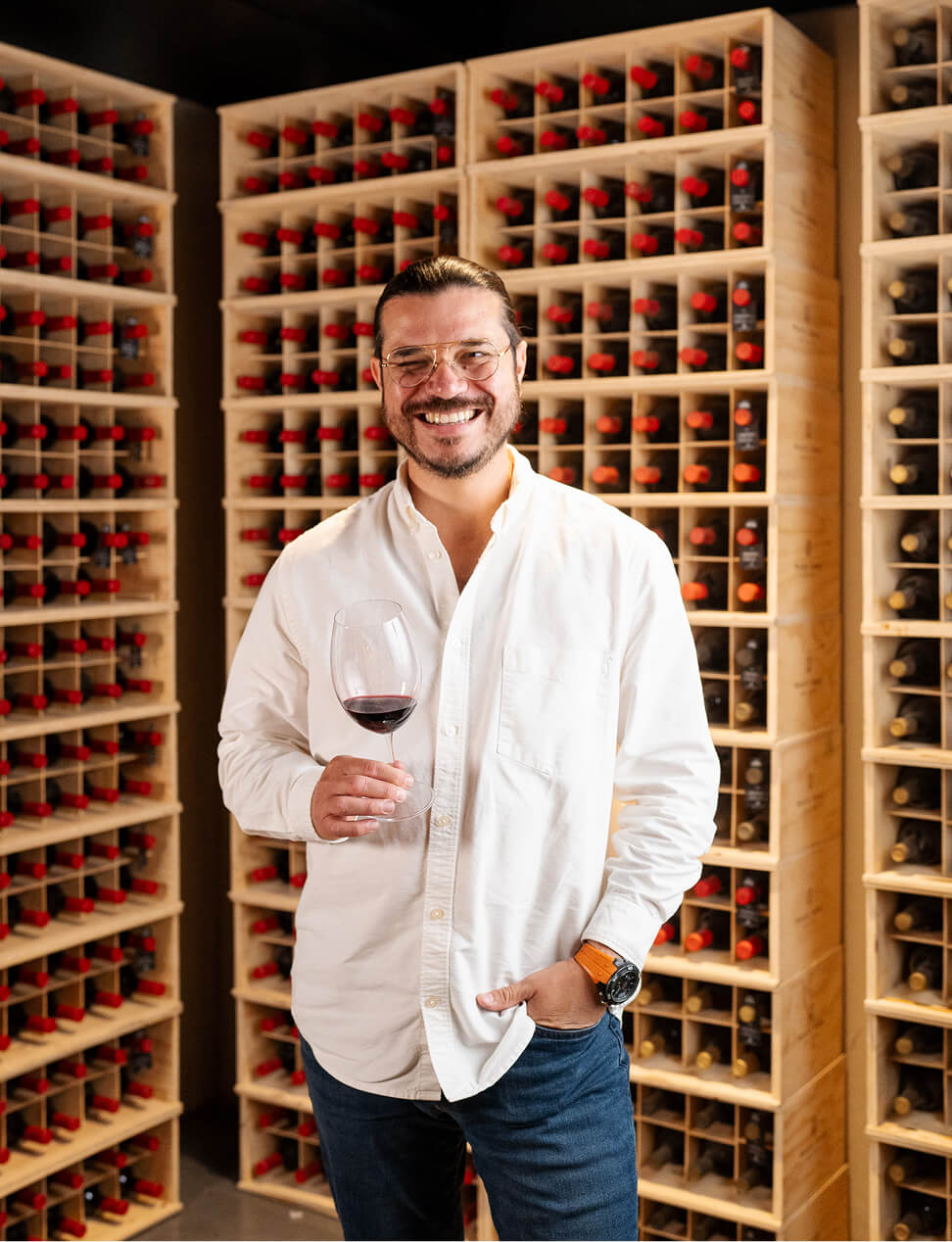
“I have introduced a wider range of barrels, woods, toast levels, and oak forests, allowing us to experiment in order to identify the ideal barrel for each wine. My approach is to keep the impact of oak subtle, respecting the aromas that require so much work to develop in the vineyard.”
- Óscar Gaona, Winemaker, Monte Xanic